

Operational performance serves as a critical indicator for organizations seeking to enhance efficacy. By systematically analyzing performance metrics, companies can pinpoint inefficiencies and establish improvement benchmarks. The integration of strategic planning frameworks ensures that departmental efforts align with long-term objectives. However, the role of data insights in shaping these objectives remains a pivotal, yet often overlooked, aspect. Exploring this interplay could reveal significant opportunities for growth and sustainability.
Analyzing Operational Performance Metrics
When organizations seek to enhance their operational efficacy, analyzing operational performance metrics becomes essential.
Establishing performance benchmarks allows for the comparison of results against industry standards. Meanwhile, efficiency indicators provide insights into resource utilization and process effectiveness.
Together, these metrics empower organizations to identify areas for improvement, fostering a culture of continuous enhancement that aligns with the pursuit of operational freedom and autonomy.
Strategic Planning Frameworks
Strategic planning frameworks serve as structured methodologies that guide organizations in setting long-term goals and determining the necessary steps to achieve them.
These frameworks facilitate strategic alignment across departments, ensuring that all efforts contribute towards common objectives.
Resource Allocation Strategies
Effective resource allocation strategies are critical for optimizing organizational performance and achieving strategic objectives.
By implementing precise resource distribution methods, organizations can enhance budget optimization, ensuring that financial and human capital are utilized efficiently.
This strategic approach not only fosters innovation but also enables responsiveness to market dynamics, ultimately driving sustainable growth and empowering teams to achieve their goals with greater autonomy.
Enhancing Long-term Objectives Through Data Insights
Data insights play a pivotal role in shaping long-term objectives, particularly in the context of resource allocation strategies.
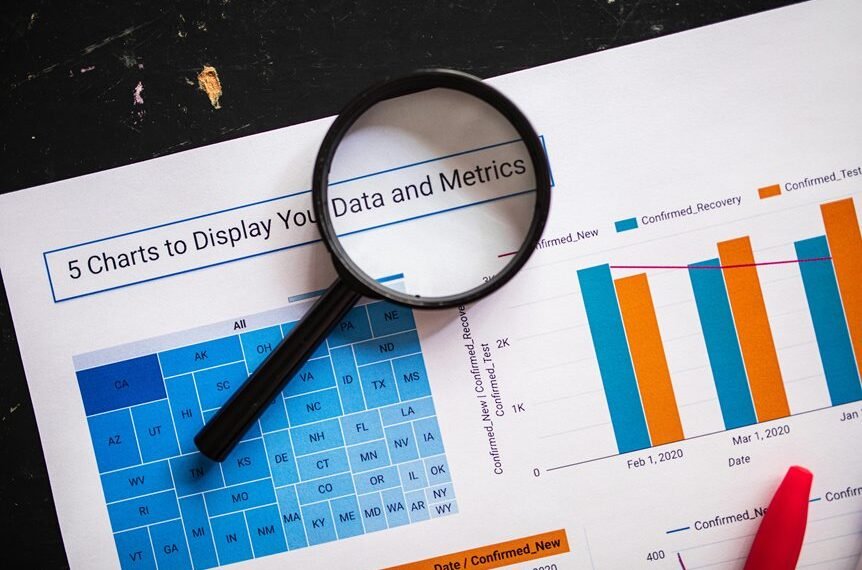
By leveraging data visualization techniques, organizations can easily interpret complex datasets, facilitating informed decision-making.
Furthermore, predictive analytics offers foresight into future trends, allowing businesses to proactively align their strategies with anticipated market dynamics.
Ultimately, this enhances their capacity to achieve sustainable growth and operational excellence.
Conclusion
In conclusion, effective operational performance analysis and strategic planning are vital for organizational success. For instance, a hypothetical manufacturing company could enhance its efficiency by utilizing data insights to streamline its resource allocation, resulting in a 15% increase in production output. By establishing clear performance benchmarks and aligning strategies across departments, organizations can foster a culture of continuous improvement, ultimately driving sustainable growth and achieving long-term objectives. Such strategic coherence is essential for maintaining a competitive edge in today’s dynamic market.

 By
By




 By
By