

Corporate intelligence and analytics serve as essential tools for organizations linked to identifiers such as 611365157 and 41036033. These frameworks enable the synthesis of varied data sources, facilitating informed decision-making. By employing advanced analytics techniques, entities can convert raw data into meaningful insights. This process not only aids strategic planning but also enhances competitiveness. Understanding the implications of these unique identifiers raises further questions about their specific impact on organizational outcomes.
Understanding Corporate Intelligence
What constitutes corporate intelligence in today’s data-driven landscape?
It involves a synthesis of diverse data sources and the application of intelligence frameworks that prioritize ethical considerations.
Effective corporate intelligence facilitates competitive analysis, enabling organizations to navigate market dynamics with agility.
Key Analytics Techniques
While various analytics techniques exist, their effectiveness hinges on the ability to transform raw data into actionable insights.
Predictive modeling plays a crucial role by forecasting future trends based on historical data, allowing businesses to make informed decisions.
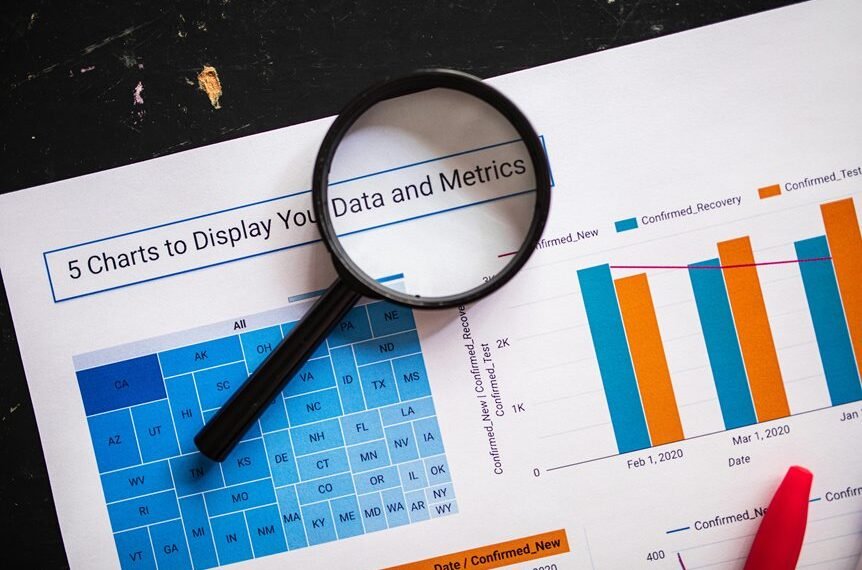
Complementing this, data visualization enhances comprehension and accessibility, enabling stakeholders to grasp complex datasets quickly and effectively, thereby facilitating strategic planning and execution.
Impact of Unique Identifiers
The effectiveness of analytics techniques is significantly enhanced by the implementation of unique identifiers, which serve to streamline data management and improve accuracy in data analysis.
Unique identifiers facilitate better data integration across platforms, thus bolstering data security. By ensuring that data remains traceable and distinct, organizations can mitigate risks and enhance operational efficiency, ultimately fostering a more reliable analytical framework.
Strategies for Data-Driven Decision Making
Leveraging data-driven decision-making requires organizations to adopt systematic strategies that prioritize data collection, analysis, and application.
Effective data integration ensures seamless access to diverse datasets, while predictive modeling enables organizations to anticipate future trends and outcomes.
Conclusion
In conclusion, the integration of corporate intelligence and analytics is essential for organizations associated with identifiers like 611365157 and 41036033 to thrive in an increasingly competitive landscape. By leveraging advanced analytics techniques, these entities can transform data into actionable insights, fostering effective decision-making. As businesses confront ever-evolving market dynamics, one must consider: how can organizations harness these tools to not only survive but excel in their respective industries? The answer lies in their commitment to data-driven strategies.

 By
By




 By
By