Advanced analytics serves as a crucial tool for businesses aiming to navigate complex market trends. Data points such as 40314500, 522495622, and 6995076336 provide significant insights into consumer behavior and market shifts. By employing predictive modeling, organizations can enhance their strategic initiatives. However, the implications of these analytics extend beyond mere numbers. Understanding the full impact of these metrics can reveal opportunities for innovation and growth. What strategies will emerge from this analysis?
Understanding the Importance of Advanced Analytics in Business
As businesses navigate an increasingly complex market landscape, the role of advanced analytics becomes crucial for informed decision-making.
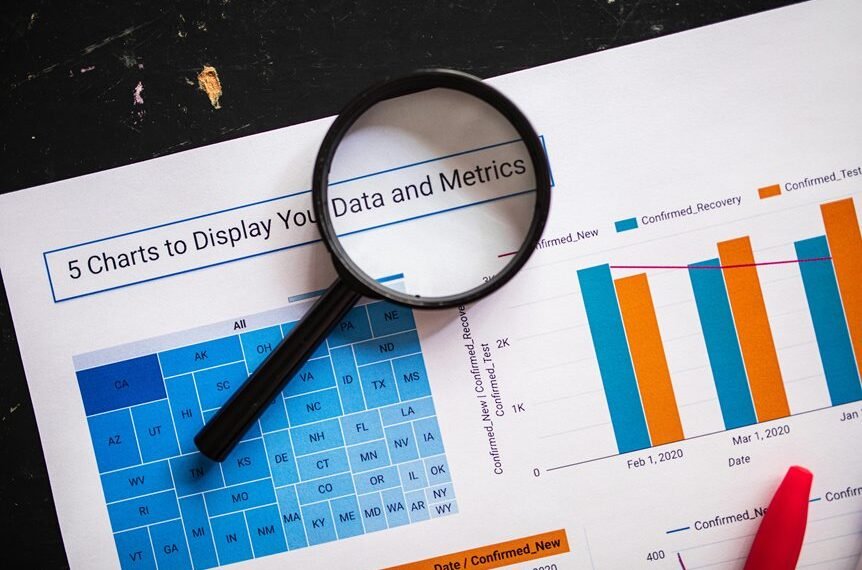
Advanced analytics enhances business intelligence by transforming raw data into actionable insights. Through effective data visualization, organizations can identify patterns and trends that inform strategic initiatives.
This empowers decision-makers to act swiftly, ensuring they remain competitive while embracing the freedom to innovate and adapt.
Analyzing Key Data Points: What They Reveal
What insights can be uncovered by analyzing key data points? Through effective data visualization, organizations can discern patterns and trends that inform strategic decisions.
Performance metrics reveal critical aspects of operational efficiency and market positioning. By focusing on these data-driven insights, businesses can enhance their agility and responsiveness, ultimately fostering innovation and maintaining a competitive edge in a dynamic marketplace.
Predictive Analytics: Shaping Future Market Trends
Harnessing the power of predictive analytics allows organizations to anticipate market shifts and consumer behaviors with greater accuracy.
By utilizing predictive modeling techniques, businesses can enhance trend forecasting capabilities, enabling proactive decision-making.
This foresight empowers companies to navigate uncertainties, optimize resource allocation, and tailor strategies effectively.
Ultimately, predictive analytics fosters a proactive approach, ensuring organizations remain agile in an ever-evolving market landscape.
Implementing Data-Driven Strategies for Growth
Although many organizations recognize the importance of data in driving business decisions, effectively implementing data-driven strategies remains a challenge.
Utilizing data visualization can enhance comprehension of complex insights, enabling teams to make informed choices.
Growth hacking strategies, when supported by robust data analytics, can catalyze rapid progress.
Ultimately, organizations must integrate these elements to foster sustained growth and competitive advantage in the marketplace.
Conclusion
In the dynamic landscape of modern business, advanced analytics serves as a lighthouse, guiding organizations through the fog of uncertainty. By illuminating critical data points and revealing hidden patterns, companies can chart a course toward sustainable growth. Predictive analytics emerges as a compass, enabling firms to navigate shifting market trends with confidence. As these insights translate into strategic actions, businesses position themselves not just to survive, but to thrive amidst the ever-evolving competitive currents.

 By
By




 By
By