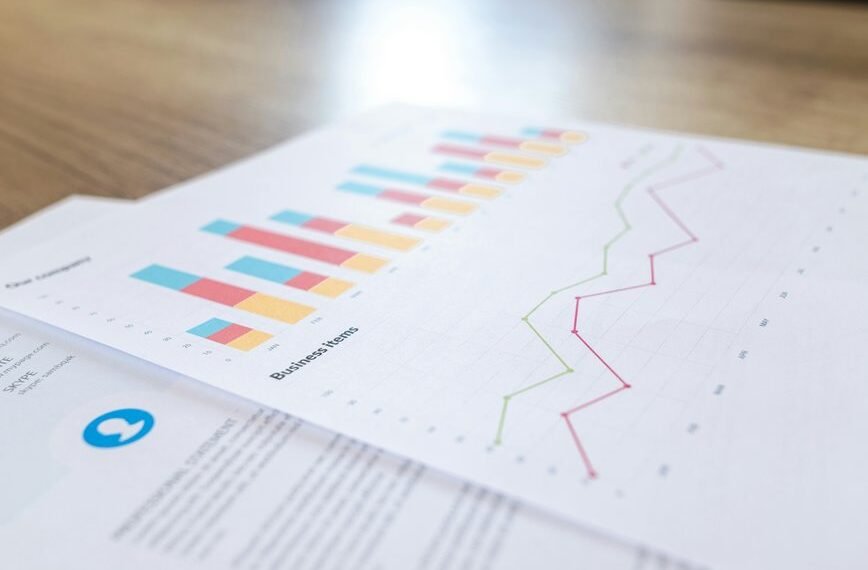
Advanced Business Analytics (ABA) plays a pivotal role in shaping organizational strategies by transforming complex data into actionable insights. It encompasses various methodologies, such as predictive modeling and data visualization, which are crucial for anticipating market trends and enhancing operational efficiency. Understanding its applications across sectors like healthcare and finance reveals the breadth of its impact. However, as technology evolves, new methodologies are emerging that could redefine these analytics. What lies ahead in this dynamic field?
Definition and Importance of Advanced Business Analytics
Advanced business analytics encompasses a sophisticated set of processes and tools designed to analyze complex data sets, enabling organizations to derive actionable insights.
This discipline is crucial for fostering data-driven decision making, where predictive modeling empowers businesses to anticipate trends and behaviors.
Key Methodologies and Technologies
Organizations employ various methodologies and technologies to harness the full potential of advanced business analytics.
Predictive modeling enables firms to forecast trends and behaviors, facilitating informed decision-making. Additionally, data visualization transforms complex data sets into intuitive graphics, enhancing comprehension and communication.
Together, these tools empower organizations to derive actionable insights, fostering agility and innovation in an increasingly competitive landscape.
Applications Across Various Industries
Numerous industries are increasingly leveraging advanced business analytics to drive efficiency and enhance decision-making processes.
In healthcare analytics, data informs patient outcomes, while retail optimization improves inventory management.
Financial forecasting aids investment strategies, and supply chain analytics enhances logistics.
Furthermore, customer segmentation drives targeted marketing analysis, fraud detection safeguards assets, and overall operational efficiency is significantly heightened through insightful data utilization across sectors.
Future Trends in Business Analytics
Three key trends are poised to shape the future landscape of business analytics.
Firstly, predictive analytics will enhance decision-making by forecasting future outcomes.
Secondly, advancements in data visualization techniques will facilitate clearer interpretations of complex data sets.
Lastly, the integration of machine learning will enable organizations to derive real-time insights, fostering agility and responsiveness in an increasingly dynamic business environment.
Conclusion
In the grand theater of business, where data reigns supreme, advanced business analytics emerges as the ever-illuminating spotlight, guiding organizations through the fog of uncertainty. As companies scramble to decipher complex datasets, one must wonder: will they harness this power wisely, or merely parade their analytics like peacocks, dazzling yet devoid of substance? Ultimately, the true artistry lies not in the numbers themselves, but in the strategic narratives woven around them, lest they become mere confetti in the corporate carnival.

 By
By




 By
By