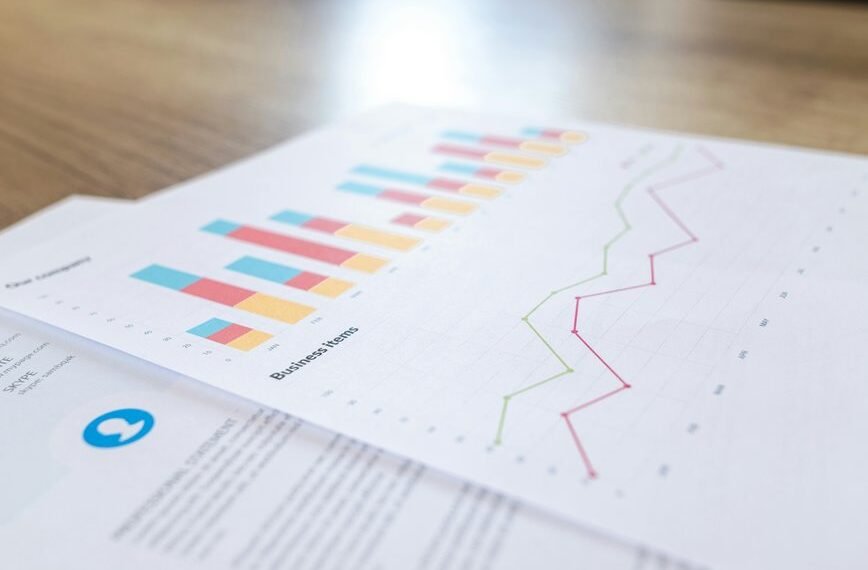
The Executive Analytics Forecasting Report, identified by specific identifiers, serves as a pivotal tool for organizational decision-making. It combines data analysis with strategic insights to illuminate market trends and forecasts. This structured approach enables executives to align their decisions with overarching business objectives. However, the true potential of these analyses lies in their ability to transform raw data into actionable strategies. What implications do these insights hold for future business landscapes?
Understanding Executive Analytics
Executive analytics serves as a critical framework for decision-making within organizations, integrating data analysis with strategic insights.
It empowers leaders to utilize data visualization techniques, transforming complex datasets into comprehensible formats. This clarity enhances executive decision making, enabling informed choices that align with organizational goals.
The Importance of Forecasting in Business
Forecasting in business plays a pivotal role in shaping strategic planning and operational effectiveness. High forecasting accuracy enables organizations to anticipate market trends, align resources accordingly, and mitigate risks.
This proactive approach fosters informed decision-making, driving sustained business growth. By leveraging data analytics, companies can enhance their forecasting capabilities, ultimately securing a competitive advantage in an increasingly dynamic marketplace.
Analyzing Key Identifiers
Identifying key indicators is essential for accurate business forecasting and strategic decision-making.
Analyzing identifier patterns enables organizations to uncover significant data correlation, revealing insights that drive performance.
By systematically evaluating these identifiers, businesses can identify trends and anomalies that inform their strategies.
This analytical approach empowers decision-makers to harness data effectively, fostering a culture of informed freedom within the organization.
Transforming Data Into Actionable Insights
Transforming raw data into actionable insights requires a systematic approach that integrates data analysis with strategic objectives.
Effective data visualization techniques enhance comprehension, enabling stakeholders to grasp complex information quickly.
Additionally, predictive modeling offers foresight, helping organizations anticipate trends and make informed decisions.
Conclusion
In a world where decisions are often swayed by gut feelings and coffee-fueled brainstorming sessions, the Executive Analytics Forecasting Report stands as an oasis of reason. By meticulously analyzing key identifiers, it transforms chaotic data into coherent strategies, proving that foresight is indeed better than hindsight. Alas, one wonders if executives will ever embrace such enlightenment or continue to dance in the dark, blissfully unaware that the path to success is paved not with intuition, but with informed analysis.

 By
By




 By
By