

The “Executive Intelligence & Analytics Digest” presents a comprehensive examination of critical data sets crucial for informed decision-making. By focusing on identifiers such as 911515996 and 607100122, it highlights the importance of analytics in understanding market dynamics. The digest offers insights into forecasting and risk mitigation strategies. However, the implications of these findings extend beyond surface-level analysis, prompting a deeper inquiry into how data-driven approaches can reshape organizational resilience.
Understanding Key Data Sets for Strategic Insights
While organizations increasingly rely on data to drive decision-making, understanding key data sets remains crucial for deriving strategic insights.
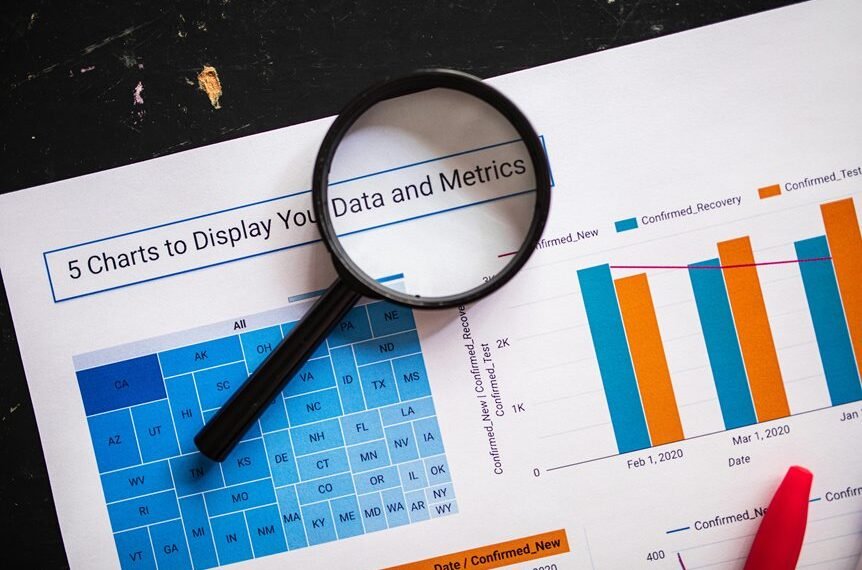
Effective data visualization enhances comprehension, allowing executives to grasp complex information swiftly. By focusing on the right metrics, companies can achieve strategic alignment, ensuring that decisions are informed and purposeful.
This clarity fosters an environment where organizations can adapt and thrive in dynamic markets.
Analyzing Trends and Patterns in Executive Decision-Making
As organizations navigate an increasingly complex business landscape, analyzing trends and patterns in executive decision-making becomes essential for sustainable success.
Utilizing decision frameworks enables leaders to mitigate cognitive biases that often distort judgment. By identifying recurring patterns, executives can refine their strategies, enhancing adaptability and responsiveness.
This analytical approach fosters informed decisions, ultimately driving organizational performance and resilience in a dynamic environment.
Forecasting Outcomes to Drive Business Success
Forecasting outcomes is a critical component in driving business success, as it allows organizations to anticipate market changes and align their strategies accordingly.
Through predictive modeling, businesses can analyze historical data to identify trends and make informed predictions. This approach facilitates outcome optimization, enabling organizations to allocate resources efficiently, enhance decision-making, and ultimately achieve a competitive advantage in a dynamic marketplace.
Leveraging Data to Seize Opportunities and Mitigate Risks
In an increasingly complex business landscape, organizations must harness data effectively to capitalize on emerging opportunities and mitigate potential risks.
By implementing data-driven decisions, firms can enhance their risk assessment processes, enabling them to identify vulnerabilities and trends swiftly.
This strategic approach not only empowers organizations to navigate uncertainties but also positions them to seize market opportunities with confidence and agility.
Conclusion
In conclusion, the “Executive Intelligence & Analytics Digest” underscores the indispensable role of data in shaping strategic decision-making. By understanding key data sets and analyzing emerging trends, organizations can effectively forecast outcomes and enhance their resilience in uncertain markets. How can businesses harness these insights to not only navigate risks but also capitalize on new opportunities? Ultimately, the integration of data-driven strategies remains pivotal for sustained organizational performance and competitive advantage.

 By
By




 By
By