

Global analytics and competitive benchmarking are essential for formulating business strategies. The specified metrics illustrate the potential for performance evaluation against industry standards. By analyzing these data points, companies can uncover valuable insights into their operational efficacy. This understanding fosters informed decision-making and strategic advancements. However, the challenge lies in effectively interpreting these metrics to drive meaningful change within organizations. The implications of such analysis can redefine competitive landscapes.
The Importance of Global Analytics in Business Strategy
In an increasingly interconnected world, 85% of companies recognize the critical role that global analytics plays in shaping effective business strategies.
By harnessing insights derived from global trends, organizations can make data-driven decisions that enhance their competitive edge.
This reliance on analytics empowers businesses to adapt to evolving market dynamics, ensuring they remain agile and responsive to customer needs in a rapidly changing landscape.
Understanding Competitive Benchmarking Metrics
Competitive benchmarking metrics serve as vital tools for organizations seeking to gauge their performance relative to industry peers.
Through effective benchmarking techniques, businesses can engage in metric evaluation that emphasizes data comparison against established industry standards.
These performance indicators facilitate a deeper understanding of competitive performance, enabling organizations to identify strengths and weaknesses, thereby fostering informed decision-making and strategic advancements in their respective markets.
Analyzing Key Data Points for Strategic Insights
While organizations often rely on various metrics to assess their competitive standing, analyzing key data points is essential for deriving strategic insights that drive growth.
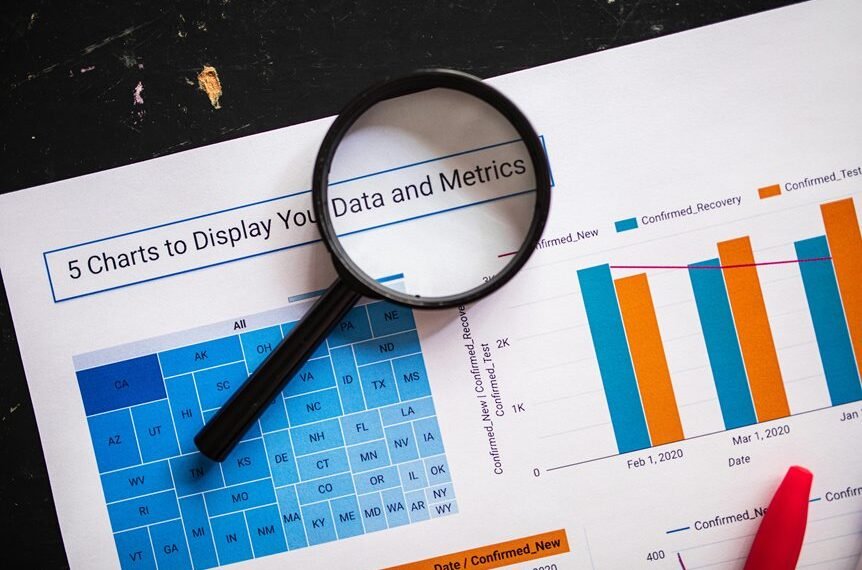
Effective data visualization illuminates performance trends, enabling companies to identify opportunities and threats.
Additionally, customer segmentation enhances targeted strategies, while predictive modeling forecasts future behaviors, empowering organizations to make informed decisions that align with market dynamics and consumer needs.
Leveraging Analytics for Market Positioning and Growth
Effective utilization of analytics serves as a cornerstone for organizations aiming to enhance their market positioning and drive sustainable growth.
Conclusion
In the intricate landscape of business strategy, global analytics and competitive benchmarking serve as a compass, guiding organizations through the fog of market uncertainties. By systematically analyzing key data points, businesses can pinpoint their strengths and weaknesses, enabling informed decision-making. As they navigate these insights, the potential for growth and market positioning becomes clearer, allowing firms to seize opportunities and adapt proactively. Ultimately, in the race for competitive advantage, those who harness these tools will emerge ahead of the curve.

 By
By




 By
By