Global Business Intelligence (GBI) serves as a critical framework for organizations navigating today’s complex global landscape. Unique identifiers, such as 9792052311 and 8005558003, play an integral role in ensuring data accuracy and facilitating efficient tracking systems. These identifiers enhance market segmentation and data management. Understanding their implications can significantly influence strategic decision-making. The exploration of GBI’s impact raises pertinent questions about its future applications and effectiveness in evolving market scenarios.
Understanding Global Business Intelligence
While organizations increasingly operate in a globalized environment, understanding Global Business Intelligence (GBI) becomes essential for strategic decision-making.
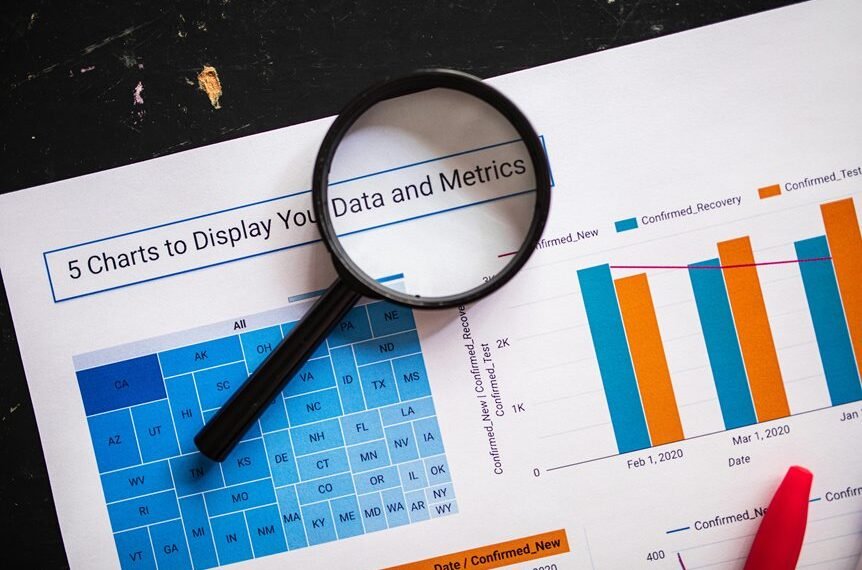
GBI harnesses data visualization to illuminate market trends and facilitate competitive analysis. Through effective data integration, businesses can leverage predictive analytics to anticipate shifts and optimize performance metrics.
This comprehensive approach empowers organizations to navigate complexities and seize opportunities in an ever-evolving global marketplace.
The Significance of Unique Identifiers in GBI
Unique identifiers play a crucial role in Global Business Intelligence (GBI) by enabling precise data management and analysis across diverse markets.
They enhance data integrity, facilitate effective tracking systems, and support market segmentation strategies.
Analyzing Data Sources and Insights
Effective analysis of data sources is fundamental to deriving meaningful insights in Global Business Intelligence (GBI).
By leveraging data visualization techniques, organizations can identify patterns and trends more effectively.
Furthermore, predictive analytics empowers businesses to forecast future outcomes, enhancing strategic planning.
Integrating these methodologies fosters a deeper understanding of market dynamics, ultimately supporting informed decision-making and promoting a culture of continuous improvement within the organization.
Strategic Decision-Making and Operational Efficiency
As organizations navigate the complexities of the global market, strategic decision-making becomes increasingly reliant on data-driven insights to enhance operational efficiency.
Data visualization tools allow leaders to interpret complex datasets swiftly, while predictive analytics offer foresight into future trends.
Together, these approaches empower businesses to make informed decisions, streamline processes, and ultimately achieve greater adaptability and competitiveness in a rapidly evolving environment.
Conclusion
In conclusion, the integration of unique identifiers within Global Business Intelligence significantly streamlines strategic decision-making and strengthens operational efficiency. By fostering data-driven diligence, organizations can harness the power of predictive analytics and visualization. This proactive approach not only promotes precise market segmentation but also positions firms to pivot adeptly in a perpetually changing landscape. Thus, the symbiotic relationship between unique identifiers and GBI ultimately cultivates competitive advantages and propels businesses toward sustainable success.

 By
By




 By
By