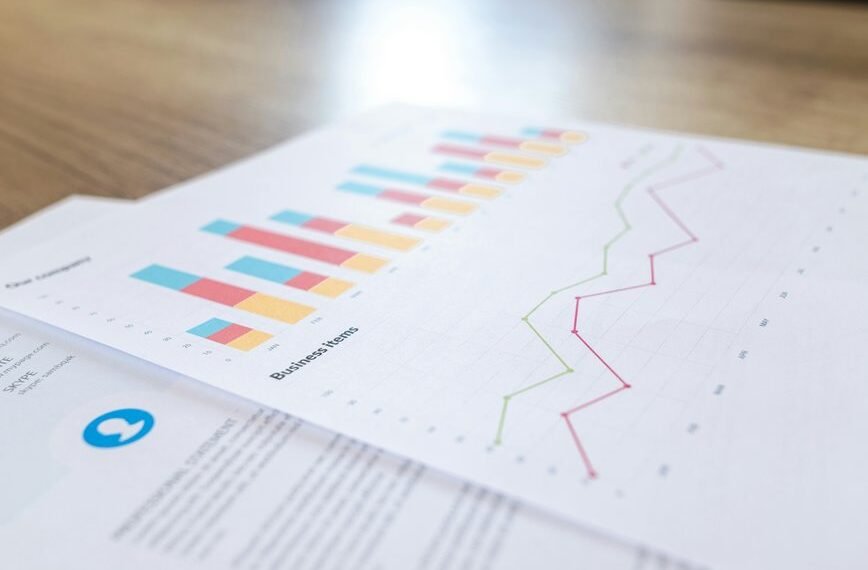

Industry benchmarking and market intelligence are vital components for organizations striving to enhance their competitive positioning. By examining specific data points, such as those from digest numbers 5625260835 and 8883381487, firms can uncover operational strengths and weaknesses. This analytical approach facilitates informed decision-making and promotes continuous improvement. However, the implications of these findings extend beyond immediate gains, prompting a closer look at emerging trends and future strategies within the market landscape.
Understanding Key Metrics for Market Analysis
Although various industries may exhibit unique characteristics, understanding key metrics for market analysis remains a crucial aspect of strategic decision-making.
Market segmentation allows businesses to identify distinct consumer behaviors, enabling tailored marketing strategies. By analyzing these metrics, companies can effectively respond to consumer needs and preferences, fostering a competitive edge.
This analytical approach empowers organizations to make informed decisions that enhance market positioning and profitability.
The Impact of Data-Driven Decision Making
As organizations increasingly rely on data to guide their strategies, the impact of data-driven decision making has become a pivotal factor in achieving business success.
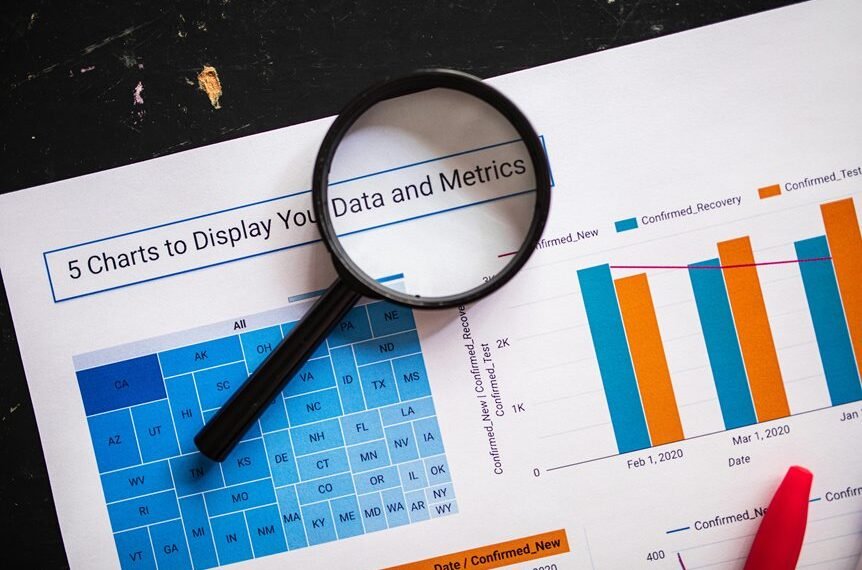
Data visualization enhances understanding by presenting complex information clearly, while predictive analytics enables organizations to forecast trends and make informed choices.
Together, these tools empower leaders to navigate challenges and seize opportunities, fostering a more agile and responsive business environment.
Enhancing Competitive Advantage Through Benchmarking
Benchmarking serves as a critical tool for organizations seeking to enhance their competitive advantage, particularly when they aim to identify best practices within their industry.
By conducting thorough competitive analysis and utilizing performance metrics, companies can uncover gaps in their operations and strategically align their practices.
This process not only fosters continuous improvement but also positions organizations to respond effectively to market dynamics.
Future Trends in Market Intelligence and Analytics
The evolution of market intelligence and analytics is being shaped by advancements in technology and shifts in consumer behavior.
Future trends are likely to emphasize predictive analytics, enabling businesses to forecast market dynamics more accurately.
Additionally, the demand for real-time insights will grow, allowing organizations to adapt swiftly to changes, enhance decision-making, and maintain a competitive edge in an increasingly dynamic marketplace.
Conclusion
In a world where data reigns supreme, organizations scramble to decipher the cryptic hieroglyphs of market intelligence, striving to outwit competitors like gladiators in a digital arena. The irony lies in their relentless pursuit of benchmarks, often resembling a game of “telephone,” where insights become distorted as they pass through layers of interpretation. Ultimately, while the quest for enhanced profitability resembles a grand spectacle, the true victor may simply be the one who correctly interprets the numbers first.

 By
By




 By
By