Innovation and growth analytics serve as pivotal tools for organizations in a rapidly evolving marketplace. By examining specific growth metrics, such as 931205932 and 625552717, businesses can uncover valuable insights into consumer behavior and market trends. This analysis fosters strategic decision-making and resource allocation. However, understanding how to effectively transform these insights into actionable strategies remains a challenge. The implications of this transformation are significant and warrant further exploration.
The Role of Data in Driving Innovation
Data plays a pivotal role in fostering innovation across various industries. By enabling data-driven decision making, organizations can identify trends and opportunities that serve as innovation catalysts.
This approach empowers leaders to allocate resources efficiently, mitigate risks, and adapt swiftly to market changes. Ultimately, leveraging data transforms insights into actionable strategies, promoting a culture of continuous improvement and fostering a spirit of entrepreneurial freedom.
Analyzing Growth Metrics for Strategic Insights
How can organizations effectively leverage growth metrics to drive strategic insights?
By analyzing key growth indicators alongside performance benchmarks, organizations can identify strengths and weaknesses in their strategies. This analytical approach allows for informed decision-making, fostering agility and innovation.
Ultimately, aligning growth metrics with strategic goals empowers organizations to navigate challenges and seize opportunities in an ever-evolving marketplace, promoting sustained success.
Predictive Analytics: Anticipating Market Trends
While many organizations rely on historical data to inform their strategies, predictive analytics offers a forward-looking perspective that can significantly enhance market positioning.
By employing market forecasting techniques and trend analysis, businesses can anticipate shifts in consumer behavior and emerging trends.
This proactive approach empowers organizations to adapt strategies, capitalize on opportunities, and ultimately drive sustainable growth in a dynamic market landscape.
Transforming Data Into Actionable Business Strategies
Building on the insights gained from predictive analytics, organizations must focus on how to transform that data into actionable business strategies.
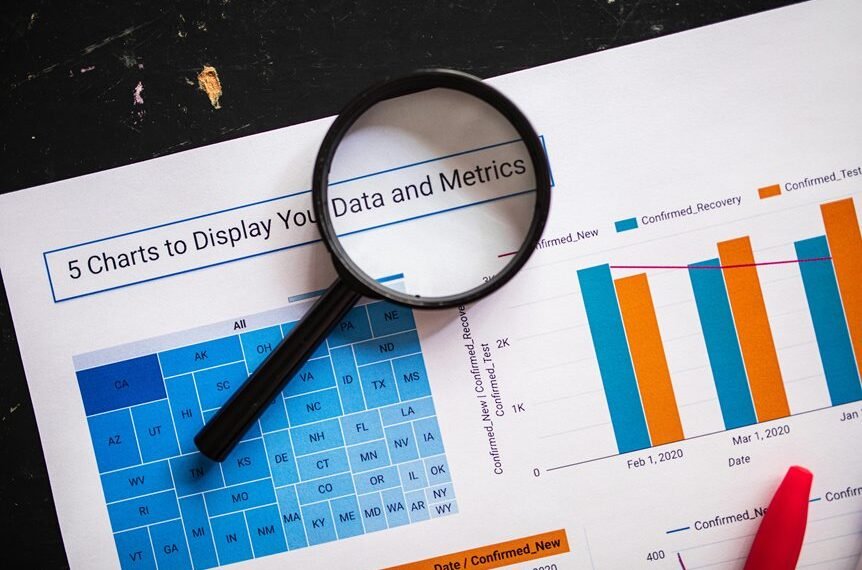
Effective data visualization techniques enable stakeholders to interpret complex information easily, enhancing business intelligence.
Conclusion
In conclusion, leveraging innovation and growth analytics is essential for organizations seeking to navigate the complexities of the modern marketplace. For instance, companies utilizing data-driven insights have reported a 25% increase in operational efficiency. By systematically analyzing key growth metrics, businesses can not only anticipate market trends but also transform data into actionable strategies. Ultimately, embracing a culture of continuous improvement through analytics positions organizations for sustainable success in an ever-evolving landscape.

 By
By




 By
By