Performance monitoring and market forecasting are critical for understanding consumer behavior. The metrics 669767311, 651805639, 623289067, 662912158, and 955677963 reveal significant trends that warrant further examination. Analyzing these figures can provide insights into shifts in preferences and market dynamics. This analytical approach allows organizations to make informed decisions. However, the implications of these findings extend beyond mere observation, raising questions about strategic responses and future outcomes in an ever-evolving marketplace.
Understanding Key Metrics and Their Impact
Understanding key metrics is essential for effective performance monitoring and market forecasting. Key performance indicators provide measurable values that help organizations evaluate their success in achieving objectives.
Through metric analysis, stakeholders can identify trends, assess operational efficiency, and make informed decisions. This analytical approach fosters transparency, enabling businesses to adapt swiftly and maintain strategic freedom in a dynamic marketplace, ultimately enhancing their competitive advantage.
Analyzing Current Market Trends
While fluctuating consumer preferences and technological advancements shape the landscape, analyzing current market trends is vital for organizations aiming to maintain relevance and drive growth.
Understanding current trends allows businesses to adapt to evolving market dynamics effectively. This analysis fosters informed decision-making, enhances strategic planning, and aligns offerings with consumer expectations, ultimately positioning organizations to navigate competitive pressures and capitalize on emerging opportunities.
Forecasting Future Performance
Forecasting future performance is essential for organizations seeking to anticipate market shifts and make data-driven decisions.
By leveraging predictive analytics, businesses can identify trends and potential outcomes, enabling proactive strategies.
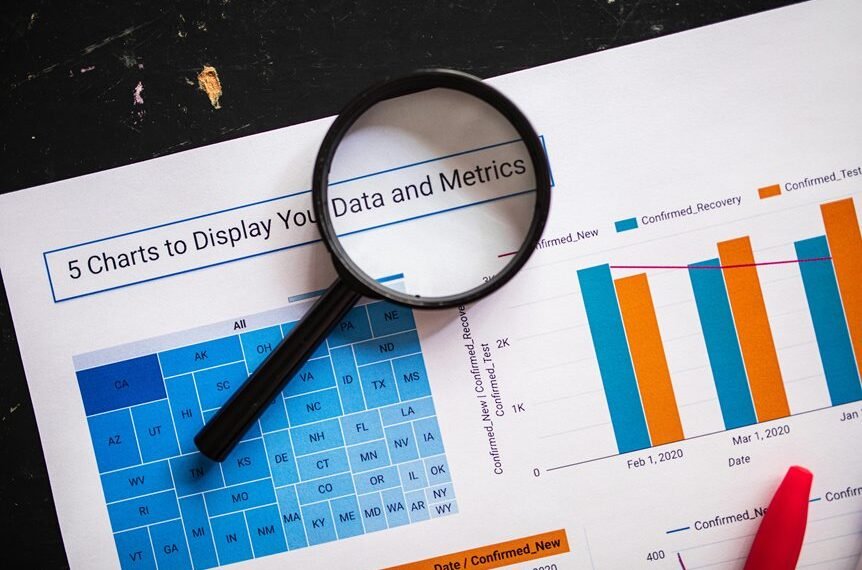
Additionally, data visualization tools enhance understanding and communication of complex data, facilitating informed decision-making.
This analytical approach empowers organizations to navigate uncertainties and capitalize on opportunities in an ever-evolving marketplace.
Strategic Decision-Making Based on Insights
As organizations increasingly rely on data-driven insights, strategic decision-making emerges as a critical component in achieving competitive advantage.
By implementing data-driven strategies, leaders can transform actionable insights into informed choices that enhance operational efficiency and market responsiveness.
This analytical approach fosters a culture of adaptability, enabling organizations to navigate complexities and seize opportunities, ultimately empowering them to thrive in dynamic environments.
Conclusion
In conclusion, the examination of key metrics such as 669767311 and 651805639 reveals significant insights into consumer behavior and market dynamics. By utilizing predictive analytics, businesses can navigate the complexities of the marketplace with the precision of a well-tuned time machine, anticipating shifts before they occur. This strategic approach not only enhances operational efficiency but also positions organizations to adapt and thrive in an ever-evolving environment, ultimately driving sustained growth and competitive advantage.

 By
By




 By
By