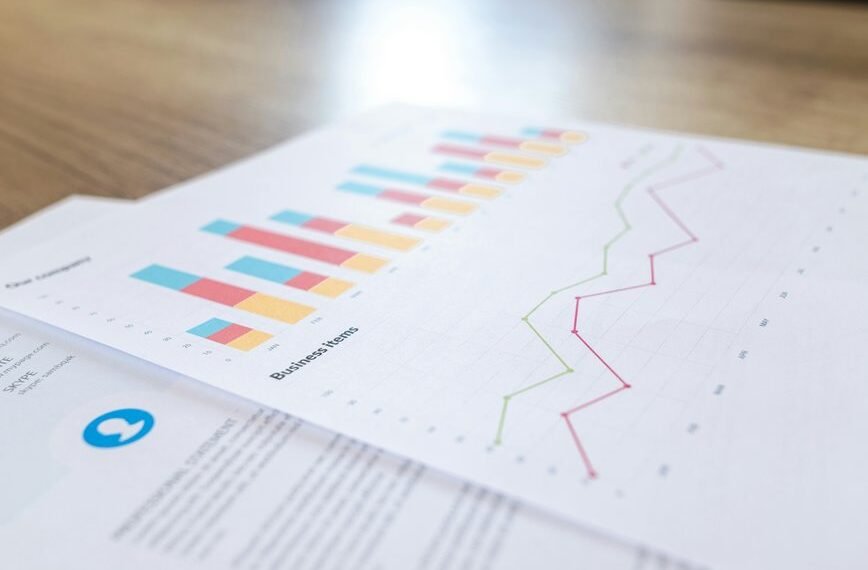

Strategic planning serves as a foundational element for organizational growth, particularly in navigating complex market environments. By employing operational forecasting techniques, businesses can better anticipate demand and allocate resources efficiently. This analytical approach promotes informed decision-making, but the effectiveness of these strategies hinges on continuous evaluation and adaptation. As organizations strive for competitive advantage, understanding the nuances of their operational forecasts becomes essential. What factors will ultimately determine success in this evolving landscape?
The Importance of Strategic Planning in Business Growth
Strategic planning serves as a cornerstone for sustainable business growth, guiding organizations in navigating complex market dynamics.
By fostering business sustainability, it enables firms to identify opportunities and threats, ensuring long-term viability.
Additionally, effective strategic planning enhances market adaptability, equipping businesses to pivot in response to changing conditions.
This proactive approach is essential for maintaining competitive advantage and achieving enduring success.
Understanding Operational Forecasting Techniques
How can organizations effectively anticipate future operational needs?
By employing advanced predictive models, businesses can enhance forecast accuracy, enabling them to align resources with anticipated demand. These models analyze historical data to identify trends, allowing organizations to make informed decisions.
Consequently, embracing operational forecasting techniques empowers companies to adapt proactively, ensuring operational efficiency while fostering an environment conducive to innovation and growth.
Analyzing Key Data Points for Enhanced Decision-Making
A comprehensive analysis of key data points is essential for organizations seeking to enhance decision-making processes.
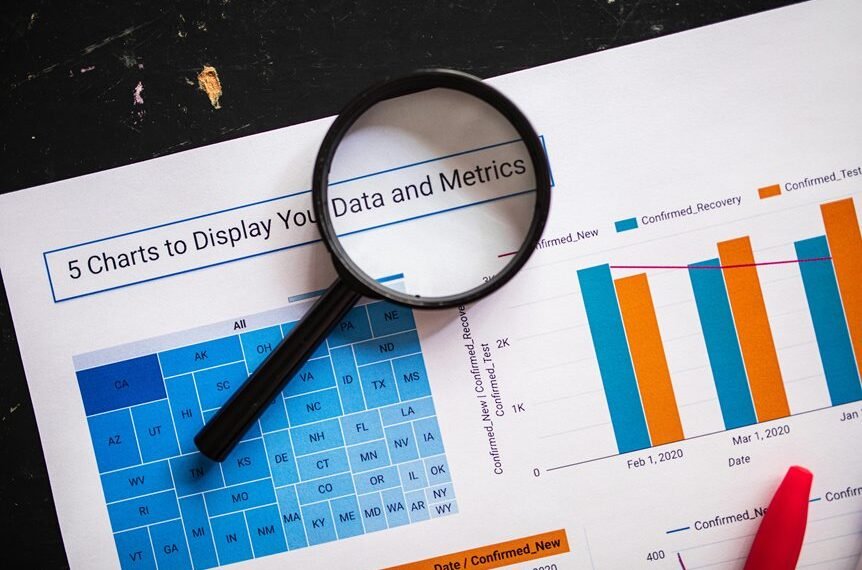
By employing data visualization techniques, stakeholders can interpret complex information more effectively.
Additionally, predictive analytics provides insights into future trends, allowing for informed strategic choices.
This combination fosters a culture of data-driven decision-making, empowering organizations to navigate uncertainties with confidence and agility.
Aligning Strategies With Long-Term Organizational Goals
Aligning organizational strategies with long-term goals requires a systematic approach that integrates insights gained from data analysis.
This process emphasizes goal alignment, ensuring that every strategic initiative supports overarching objectives.
Effective strategy execution hinges on continuous monitoring and adaptation, facilitating a dynamic response to changing conditions.
Ultimately, fostering a culture of flexibility empowers organizations to realize their long-term aspirations while maintaining operational integrity.
Conclusion
In the dynamic landscape of business, the juxtaposition of strategic planning and operational forecasting reveals a powerful synergy. While strategic planning charts a course for future growth, operational forecasting serves as the navigational tool, grounding ambitions in data-driven reality. This duality not only enhances decision-making but also fortifies organizations against market volatility. Ultimately, the alignment of proactive strategies with real-time insights cultivates resilience, ensuring that businesses not only survive but thrive amidst the complexities of their environments.

 By
By




 By
By