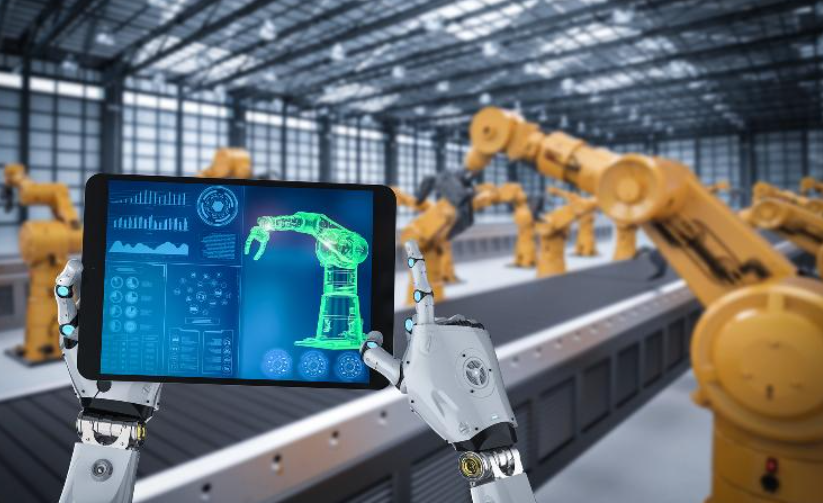

The emergence of autonomous machines marks a significant turning point in technological evolution. These innovations promise enhanced efficiency and productivity across various sectors. However, they also raise pressing concerns about job displacement and ethical dilemmas. As society stands on the brink of this transformation, it becomes crucial to assess whether current frameworks can accommodate such profound changes. The balance between leveraging autonomy and maintaining human oversight remains an open question. What implications will this have for the future?
The Evolution of Autonomous Technology
As advancements in technology progressed, the evolution of autonomous machines emerged as a pivotal chapter in the narrative of innovation.
Central to this evolution were breakthroughs in machine learning and robotic advancements, which enabled machines to operate with increasing autonomy.
These technologies not only transformed industries but also sparked debates about freedom, ethics, and the future roles of humans in an increasingly automated world.
See also: anguiladela10
Benefits and Advantages of Autonomous Machines
While concerns about the implications of autonomous machines often dominate discussions, their benefits and advantages are equally significant and worthy of exploration.
Autonomous machines contribute to increased efficiency and enhanced productivity across various sectors, enabling faster operations.
Additionally, they offer substantial cost savings and improved safety by minimizing human error, ultimately fostering a work environment where freedom and innovation can thrive.
Challenges and Ethical Considerations
The proliferation of autonomous machines brings not only significant benefits but also introduces a myriad of challenges and ethical considerations that warrant careful examination.
Job displacement emerges as a pressing concern, potentially disrupting livelihoods and societal structures.
Additionally, moral dilemmas arise in programming decisions that affect human welfare, where machines must navigate complex ethical frameworks, raising questions about accountability and the value of human judgment in critical situations.
Preparing for an Autonomous Future
Navigating the transition to an autonomous future requires a multifaceted approach that balances innovation with foresight.
As automation reshapes industries, a strategic workforce transition is essential to mitigate job displacement.
Concurrently, robust regulatory frameworks must be established to ensure ethical deployment and public safety.
Conclusion
As society stands on the precipice of an autonomous future, the necessity for careful navigation becomes clear. The potential of autonomous machines shines brightly, yet shadows of job displacement and ethical dilemmas lurk beneath the surface. To harness the light of innovation while mitigating its risks, strategic workforce planning and comprehensive regulatory frameworks are imperative. Ultimately, the journey toward embracing autonomy must be guided by a steady hand, ensuring that human oversight remains the compass in this evolving landscape.


 By
By